Life After Implants: Eating, Speaking, and Caring for Them in the First Month
Clinically reviewed and authored by Dr. Ranjani Rao, MDSPrincipal Dentist & Consultant Implantologist, Fellowship in Orthodontics (ICNOG, Italy), Fellowship & Mastership in Implantology. 25+ years of clinical practice, ECity Dental Center, Electronic City, Bengaluru. Getting a dental implant is often the easy part, at least from the patient’s side of the chair. What surprises most people is the month that follows: relearning how to chew on that side of your mouth, noticing a slight lisp when you say certain words, or wondering if that dull ache on day three is normal or a red flag. Over 25 years of placing implants including same-day cases for patients who fly in from abroad I’ve heard the same handful of questions from nearly every patient in the first four weeks. This guide walks through exactly what to expect, week by week, so you’re not guessing.Week 1: The Healing Window
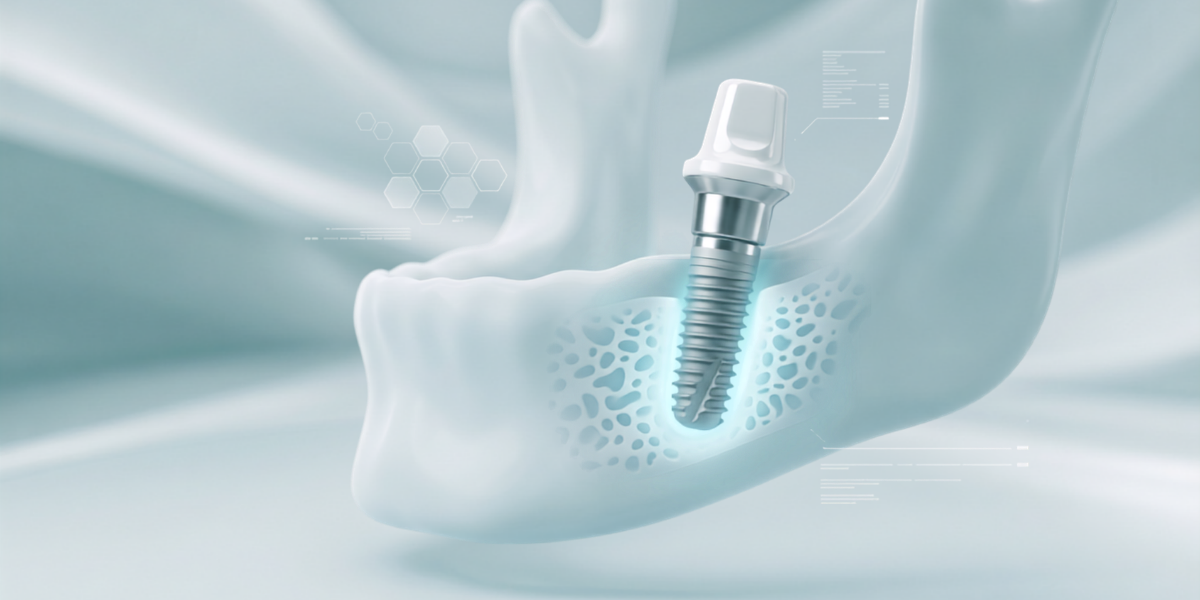
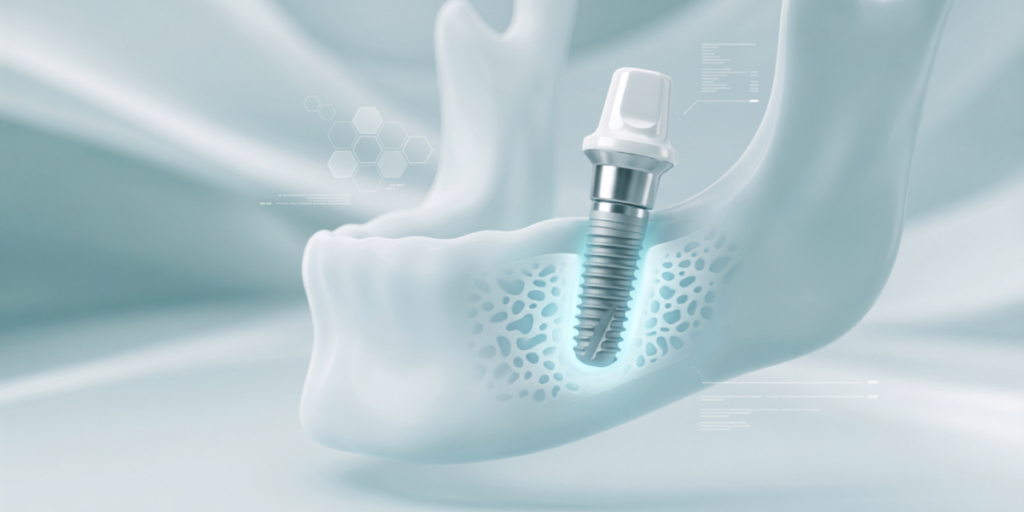
The first week is about protecting the implant site while it begins to integrate with your jawbone process called osseointegration, which is really the whole point of an implant working long-term. Eating- Stick to a soft or liquid diet for the first 3-5 days: yogurt, dal, khichdi, mashed vegetables, smoothies (no straw the suction can disturb the healing site).
- Chew on the opposite side of your mouth wherever possible.
- Avoid anything hot for the first 24 hours; heat can increase swelling and bleeding at the site.
- Skip crunchy, spicy, or acidic foods (think fried snacks, chili, citrus) until the initial tenderness settles, usually by day 4-5.
- A mild lisp or slight difficulty with words involving “s,” “t,” or “th” sounds is common if the implant is in the front of the mouth or if you have a temporary healing cap or crown placed. This is almost always temporary and improves as you adjust to the new shape in your mouth usually within a week or two.
- If you have a removable temporary prosthesis while healing, practice reading aloud for 10-15 minutes a day. It sounds unnecessary, but it genuinely speeds up adaptation.
- Do not brush the implant site directly for the first 24-48 hours. Rinse gently with the antiseptic mouthwash prescribed to you, not tap water swishing, which can be too vigorous.
- Ice packs on the cheek (15 minutes on, 15 off) for the first day help control swelling.
- Take prescribed antibiotics for the full course, even if you feel fine by day 3stopping early is one of the more common causes of implant-site infection I see in practice.
- No smoking. This isn’t a general health lecture smoking measurably slows osseointegration and is one of the leading causes of early implant failure in the literature and in my own case experience.
Weeks 2-3: Building Confidence
By now, initial swelling and tenderness should be resolving. This is the phase where patients start testing what they can eat and often get ahead of themselves. Eating- You can gradually reintroduce semi-solid food swell-cooked rice, soft parathas, scrambled eggs, cooked vegetables.
- Still avoid nuts, hard chips, ice, or biting directly into anything firm (like an apple or corn on the cob) with the implant side. The bone is still integrating, not yet load-bearing in the way natural teeth are.
- If you had a temporary crown placed, treat it gently temporaries aren’t as strong as the final restoration.
- Most patients report their speech has normalized substantially by the end of week 2. If you’re still struggling noticeably past week 3, mention it at your follow-up occasionally it points to a fit adjustment needed on a temporary prosthesis.
- You can usually resume brushing the area gently with a soft-bristled brush around day 10-14, but confirm timing with your dentist rather than going by a fixed calendar date healing pace varies person to person.
- Continue any prescribed rinse.
- Avoid vigorous flossing directly around the implant site until you’re cleared; your dentist may show you a specific technique or tool (like a water flosser or interdental brush) suited to implants.
Week 4: Settling In
By the one-month mark, most patients feel largely back to normal, though full osseointegration actually continues for several months beneath the surface (often 3-6 months depending on bone quality and implant location this is why the final crown isn’t placed immediately in most cases). Eating- Most soft-to-medium textures are comfortable by now. Still hold off on very hard or sticky foods (hard candy, chewing ice, tough meat) until your dentist confirms the implant has fully integrated.
- Speech should feel essentially normal. If it doesn’t, it’s worth a check-in rather than assuming it will resolve on its own.
- Return to normal brushing and flossing habits around the implant, using techniques your dentist recommends for implant-specific hygiene.
- Keep your scheduled follow-up appointment this is not optional. It’s when we confirm integration is progressing as expected before moving toward the permanent crown.
Warning Signs That Need a Same-Day Call, Not a Wait-and-See
Most first-month discomfort is mild and expected. Contact your dentist promptly if you notice:- Pain that worsens after day 4-5 instead of improving
- Swelling that increases rather than subsides after 48-72 hours
- Persistent bad taste or odor at the implant site
- The implant or healing cap feeling loose or mobile
- Fever
A Note on Individual Healing Times
Every timeline above is a general guide, not a guarantee. Healing speed depends on factors like bone density, whether bone grafting was needed, your overall health (diabetes and smoking both affect healing pace), and where in the mouth the implant was placed. Front-tooth implants tend to affect speech more noticeably than back-tooth implants, while back-tooth implants are often more sensitive to chewing forces early on. Your dentist’s specific instructions for your case should always take priority over general timelines like this one.The Bottom Line
The first month after a dental implant is really about patience protecting the site while it does the biological work of fusing with your jawbone. Most of what feels unfamiliar in week one (soft diet, mild speech changes, gentle cleaning) resolves steadily and predictably if you follow your aftercare instructions. By the one-month mark, the vast majority of patients are eating and speaking with little to no thought about the implant at all which is exactly the goal. If you’re considering an implant or are currently in your healing window and have questions specific to your case, our team at ECity Dental Center is happy to guide you through it reach out and we’ll walk you through exactly where you are in the process.
How long after a dental implant can I eat normally?
Most patients return to a fully normal diet by around 4-6 weeks, though full osseointegration continues for 3-6 months beneath the surface. Soft foods are recommended for the first week, gradually progressing to semi-solid and then regular textures as tenderness resolves.
Is it normal to have a lisp after getting a dental implant?
Yes, a mild lisp or slight difficulty with certain sounds is common in the first 1-2 weeks, especially with front-tooth implants or temporary prosthetics. It typically resolves on its own as you adjust; if it persists beyond 3 weeks, mention it at your follow-up visit.
When can I brush the implant site after surgery?
Avoid brushing directly on the implant site for the first 24-48 hours. Most patients can resume gentle brushing with a soft-bristled brush around day 10-14, but your dentist will confirm the exact timing based on your healing progress.
What foods should I avoid after a dental implant?
Avoid hard, crunchy, sticky, or chewy foods (nuts, ice, hard candy, tough meat, chips) for at least the first month. Also avoid very hot or spicy foods in the first week, as they can irritate the healing site.
Can smoking affect dental implant healing?
Yes. Smoking measurably slows osseointegration and is one of the leading causes of early implant failure. Avoiding smoking during the healing period significantly improves the odds of long-term implant success.
What are warning signs of a dental implant problem?
Contact your dentist promptly if you notice worsening pain after day 4-5, increasing swelling after 48-72 hours, a persistent bad taste or odor, a loose or mobile implant, or fever. Mild discomfort in the first few days is normal; worsening symptoms are not.
How long does full dental implant healing take?
While most day-to-day discomfort resolves within a month, full osseointegration — the implant fusing with the jawbone — typically takes 3-6 months depending on bone quality, implant location, and individual health factors like diabetes.